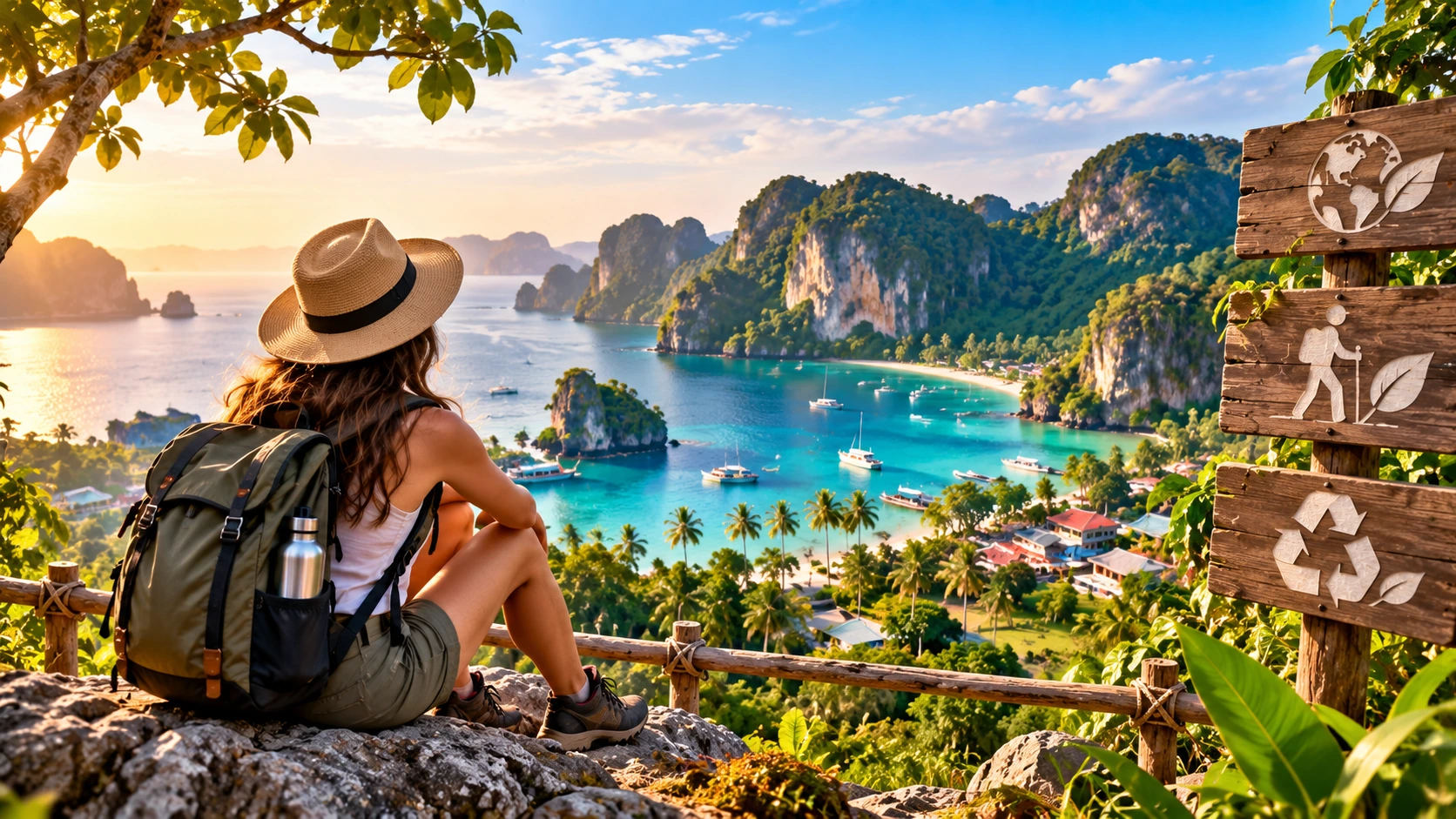
Tourism brings people closer to beautiful landscapes, historic sites, cultural traditions, and local communities. However, when large numbers of visitors arrive without proper planning, destinations can experience problems such as overcrowding, waste, environmental damage, pressure on natural resources, and disruption to local communities. Sustainable tourism offers an approach that aims to balance the benefits of tourism with the need to protect destinations for the future.
What Is Sustainable Tourism?
Sustainable tourism focuses on reducing the negative effects of travel while supporting the places people visit. This can include protecting natural areas, reducing waste, using resources responsibly, supporting local businesses, and respecting cultural traditions.
The idea applies to travelers, hotels, tour operators, governments, transportation providers, and local businesses. Each part of the tourism industry can contribute to making destinations more resilient.
Reducing Pressure on Natural Resources
Popular destinations can experience significant pressure on water, energy, land, and other resources. Hotels, restaurants, transportation, and large numbers of visitors all require resources.
Sustainable tourism encourages businesses to use resources more efficiently. Hotels may introduce energy-saving systems, reduce unnecessary water consumption, use renewable energy where practical, and improve waste management.
Travelers can contribute by avoiding unnecessary water use, reducing disposable products, reusing towels when appropriate, and choosing accommodations that demonstrate responsible resource management.
Protecting Natural Landscapes
National parks, beaches, forests, mountains, and wildlife areas often attract visitors because of their natural beauty. However, excessive foot traffic, littering, unauthorized construction, and disturbance of wildlife can damage these environments.
Sustainable tourism can support measures such as designated walking trails, visitor limits, protected areas, responsible wildlife tours, and educational programs.
Following marked trails and avoiding interference with animals may seem like small actions, but they help reduce unnecessary disturbance.
Supporting Local Businesses
Tourism can provide income for communities when visitors spend money with locally owned businesses.
Choosing local restaurants, guides, shops, artisans, transportation providers, and accommodation can help keep more tourism revenue within the destination.
This can also encourage communities to view natural and cultural resources as valuable assets worth protecting. When tourism provides sustainable economic opportunities, residents may have stronger incentives to participate in conservation efforts.
Preserving Cultural Heritage
Popular destinations often have unique traditions, architecture, festivals, crafts, food, music, and historical sites. Large-scale tourism can sometimes put pressure on these traditions or turn cultural practices into commercial products without sufficient community involvement.
Sustainable tourism encourages visitors to respect local customs and heritage.
Travelers can learn appropriate behavior before visiting religious or cultural sites, ask permission before photographing people, and purchase authentic local products from legitimate sellers.
Managing Overcrowding
Overtourism can affect both residents and visitors. Extremely crowded streets, long lines, traffic congestion, and pressure on public services can reduce the quality of life for local communities.
Destinations can respond by promoting lesser-known attractions, introducing timed entry systems, improving public transportation, and encouraging visitors to travel during quieter periods.
Travelers can also explore beyond the most famous landmarks and consider visiting popular destinations during less crowded seasons.
Encouraging Responsible Transportation
Transportation contributes significantly to the environmental impact of tourism. Sustainable tourism can encourage public transportation, walking, cycling, shared transportation, and efficient travel planning.
Once visitors arrive, walking or using public transportation can also provide a more direct way to experience a destination.
Some cities have invested in pedestrian-friendly areas and cycling infrastructure to make tourism less dependent on private vehicles.
The Role of Travelers
Sustainable tourism is not solely the responsibility of governments or businesses. Travelers also make choices that influence destinations.
Visitors can reduce waste, carry reusable items, avoid damaging natural environments, respect wildlife, follow local rules, and support businesses that operate responsibly.
Travelers should also remember that popular destinations are communities where people live and work. Respecting residents is an essential part of responsible travel.
Technology Can Support Sustainable Tourism
Technology is increasingly being used to manage visitor numbers and resources. Digital ticketing systems can help attractions control capacity, while apps can provide information about public transportation, walking routes, conservation rules, and less crowded locations.
Data can also help destination managers understand visitor patterns and plan infrastructure more effectively.
Why Sustainability Benefits Future Travelers
Protecting destinations today helps ensure that people can continue enjoying them in the future. A beach covered in litter, a damaged historic monument, or a severely overcrowded neighborhood becomes less enjoyable for both residents and visitors.
Sustainable tourism focuses on maintaining the qualities that make destinations attractive in the first place.
Final Thoughts
Sustainable tourism provides a practical way to balance travel with environmental protection, cultural preservation, and community well-being. It encourages businesses and visitors to think beyond short-term convenience and consider the long-term effects of tourism.
Travelers can contribute through relatively simple choices, such as supporting local businesses, reducing waste, respecting local customs, conserving resources, and following environmental guidelines.
When tourism is carefully managed, popular destinations can continue welcoming visitors while protecting the natural and cultural features that make them special.