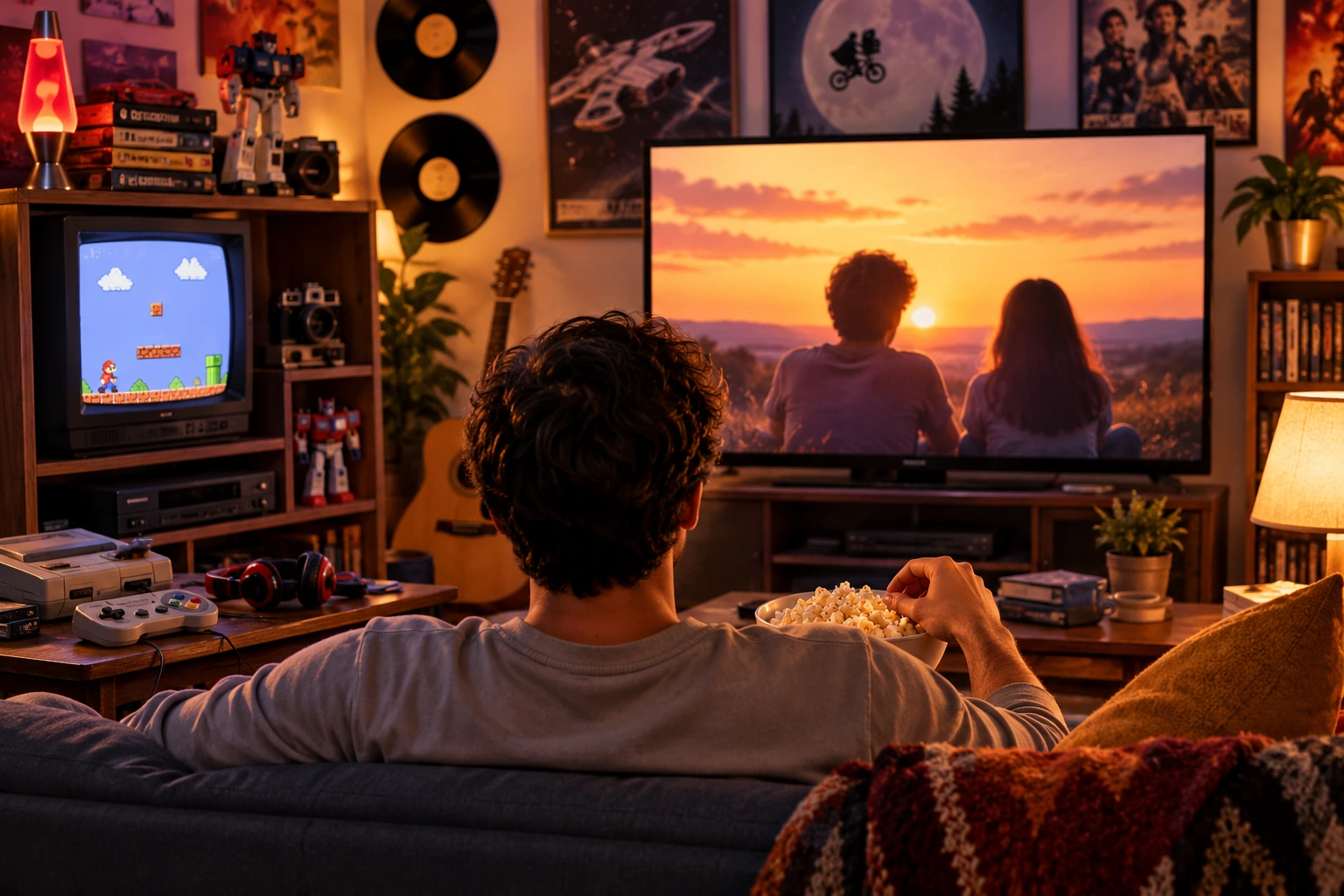
Nostalgia has become a powerful part of modern entertainment. Old movies return to theaters, classic television shows receive new adaptations, familiar characters appear in new stories, and songs from previous decades frequently find new audiences. Even brands and video games often revisit ideas from the past.
The popularity of nostalgic entertainment is not accidental. Familiar characters, music, stories, and visual styles can create strong emotional connections. At the same time, modern entertainment uses nostalgia to introduce older cultural experiences to younger audiences.
What Is Nostalgia?
Nostalgia is an emotional response connected to memories of the past. People may feel nostalgic when they encounter a familiar song, childhood television show, old photograph, game, toy, or place.
Nostalgia is not necessarily limited to happy memories. It can involve a mixture of warmth, longing, and awareness that a particular period has passed.
Entertainment is particularly effective at triggering these feelings because stories and music are often connected to important moments in people’s lives.
Childhood Memories Create Strong Connections
Many people associate movies and television shows with childhood or adolescence. A particular cartoon may remind someone of mornings before school, while a family movie may bring back memories of watching television with parents or siblings.
When that same content returns years later, it can activate memories beyond the entertainment itself.
The viewer may remember where they lived, who they watched it with, or what their life was like at the time.
Familiar Characters Feel Comfortable
Modern entertainment often brings back recognizable characters. Seeing a familiar character can reduce the uncertainty associated with trying something completely new.
Audiences already understand some of the character’s personality, relationships, and history. This familiarity can make returning to a fictional world feel comfortable.
Sequels, reunions, remakes, and revivals therefore benefit from an existing connection between audiences and established characters.
Music Is a Powerful Trigger
Few forms of entertainment trigger memories as quickly as music. A song can immediately remind someone of a particular period, relationship, celebration, or stage of life.
This is one reason older songs frequently return to popular culture through films, television shows, advertisements, social media videos, and playlists.
Younger listeners may also discover older music through modern entertainment, creating a new audience for songs released decades earlier.
Nostalgia and Remakes
Remakes allow filmmakers and studios to introduce familiar stories to new audiences while retaining connections to earlier versions.
Some remakes closely follow the original story, while others reinterpret the material for contemporary audiences.
The appeal often comes from a combination of recognition and novelty. Viewers know the basic world or characters but may be curious about how the new version changes them.
Why Familiar Stories Feel Appealing
Familiarity can reduce the mental effort required to understand a completely new fictional world. When viewers already know the basic premise, they can focus more on characters, performances, visual presentation, or differences from the original.
This does not mean audiences only want familiar entertainment. New stories continue to attract large audiences. However, familiar properties provide an established starting point.
Nostalgia Connects Different Generations
Nostalgic entertainment can also create connections between generations. Parents may introduce children to movies, music, games, or shows they enjoyed when they were younger.
A family might watch an old animated film together, play a classic video game, or listen to music from a parent’s youth.
This creates shared cultural experiences even when people grew up in very different periods.
Social Media Strengthens Nostalgia
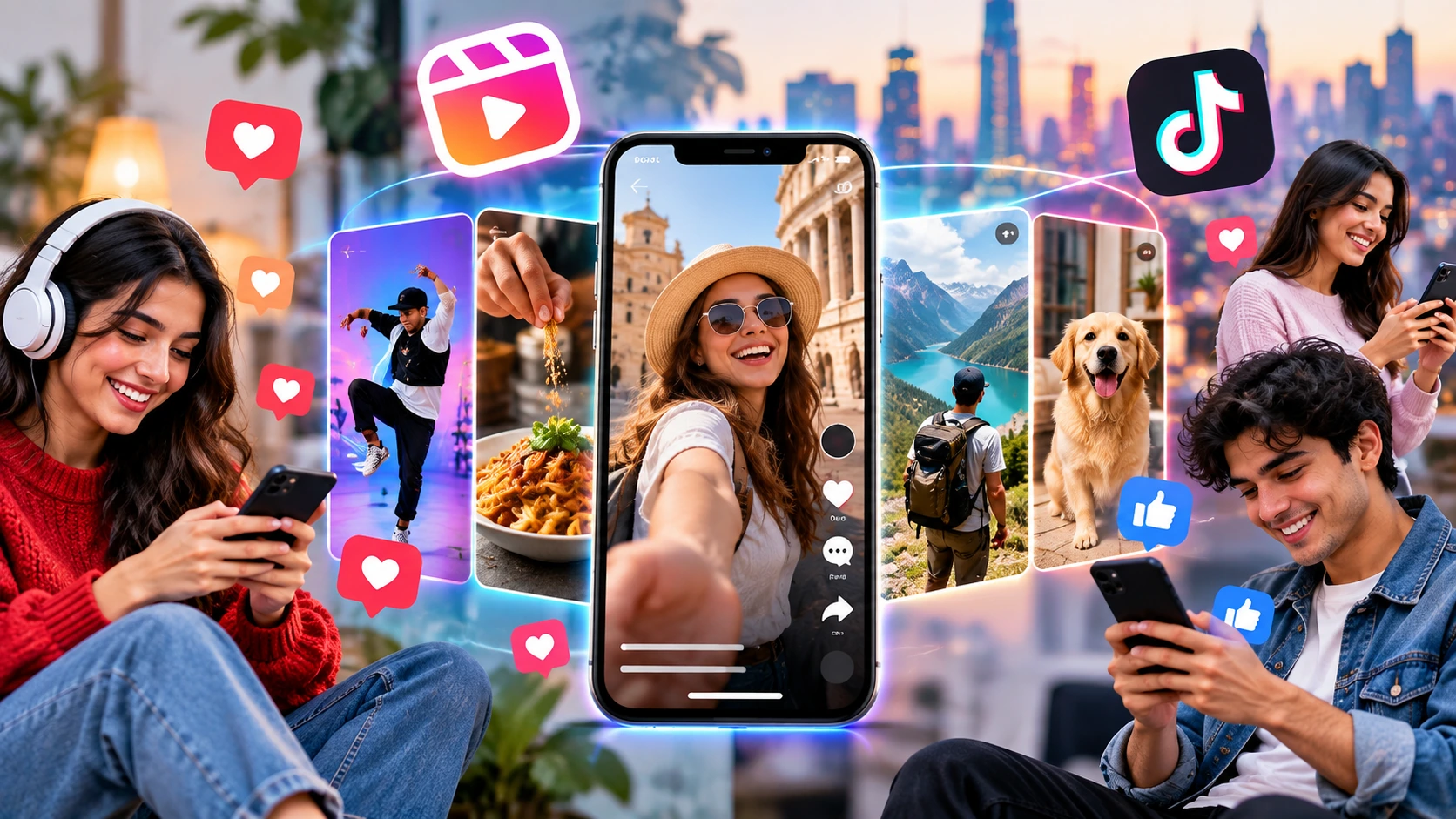
Social media has made it easier for nostalgic content to spread. Short clips, old photographs, memorable scenes, music trends, and references to previous decades can reach millions of people quickly.
Users may share something because it reminds them of their childhood, while others encounter the same content for the first time.
This creates an interesting cycle: older entertainment can become popular again among people who did not originally experience it.
Nostalgia and Modern Technology
Technology has also made older entertainment easier to access. Digital libraries, streaming services, online music platforms, and video-sharing websites allow audiences to discover content from previous decades.
Someone who grew up with a particular show may be able to revisit it years later, while younger viewers can discover it for the first time.
This accessibility has reduced the distance between different eras of popular culture.
Nostalgia Does Not Always Mean the Past Was Better
Feeling nostalgic does not necessarily mean someone believes the past was objectively better. Nostalgia is connected to personal memories and emotions rather than being a complete assessment of a historical period.
People may remember the positive aspects of an earlier period while forgetting difficulties or limitations associated with it.
Entertainment can therefore use nostalgia to create an emotional connection without requiring audiences to literally prefer the past.
The Balance Between Familiarity and Innovation
Successful nostalgic entertainment often combines recognizable elements with something new. Simply repeating an old idea may not satisfy audiences who want fresh storytelling.
Creators may update characters, technology, visual styles, themes, or settings while retaining elements that audiences recognize.
This balance allows older concepts to remain relevant without completely losing their original identity.
Final Thoughts
Nostalgia plays an important role in modern entertainment because stories, music, characters, and games can become connected to personal memories. Revisiting them can bring back emotions associated with childhood, family, friendships, and important periods of life.
At the same time, nostalgia allows younger audiences to discover entertainment from previous generations. Streaming platforms, social media, remakes, and digital archives have made these connections easier than ever.